Transforming how the world connects.
Governance for
a more-than-human world.
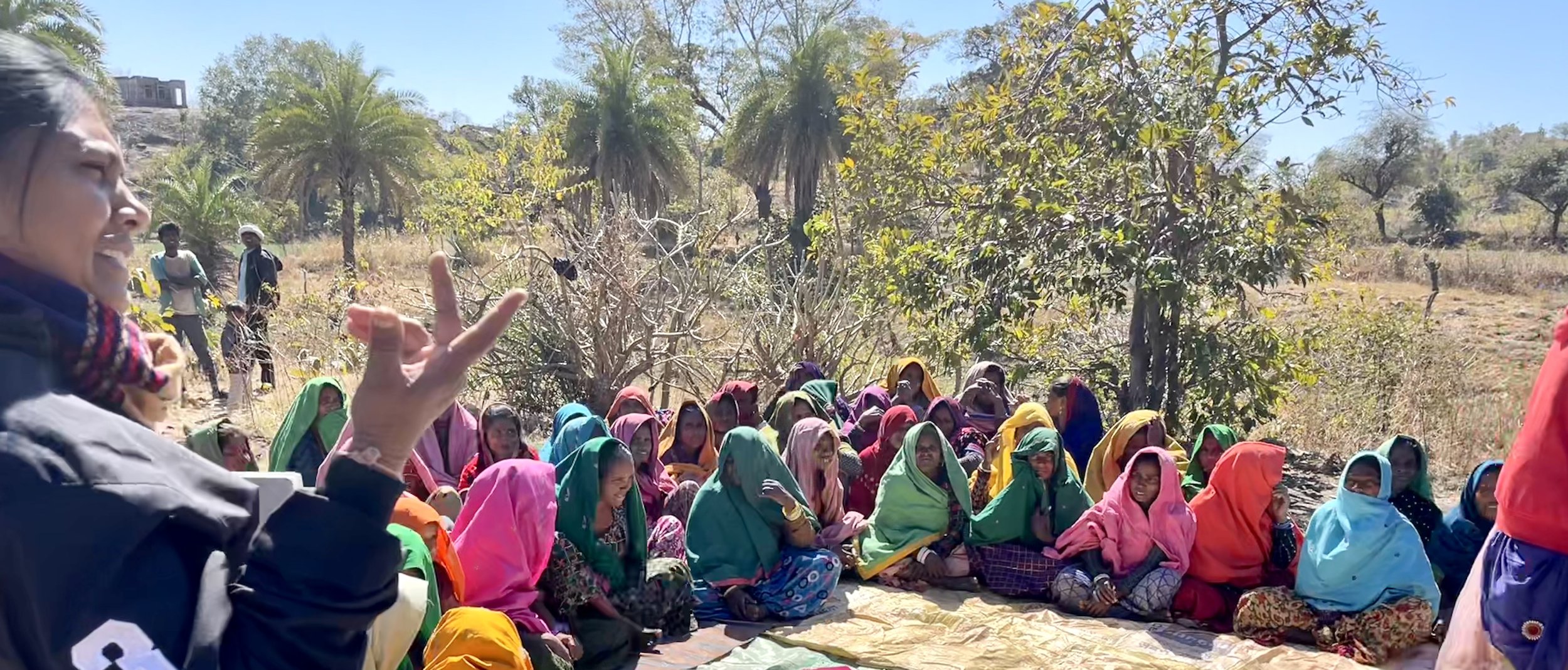
The Seed Game® is a participatory ecological governance system exploring how humans, ecosystems, and future generations can participate together in environmental decision-making.
Rooted in more-than-human design, the methodology recognises forests, wildlife, rivers, and sacred landscapes not as passive resources, but as living stakeholders within governance systems.
Blending ecological storytelling, collaborative facilitation, and digital interaction, the project creates new ways for communities and organisations to imagine relationships between people, place, and planetary futures.
A hybrid toolkit for ecological participation
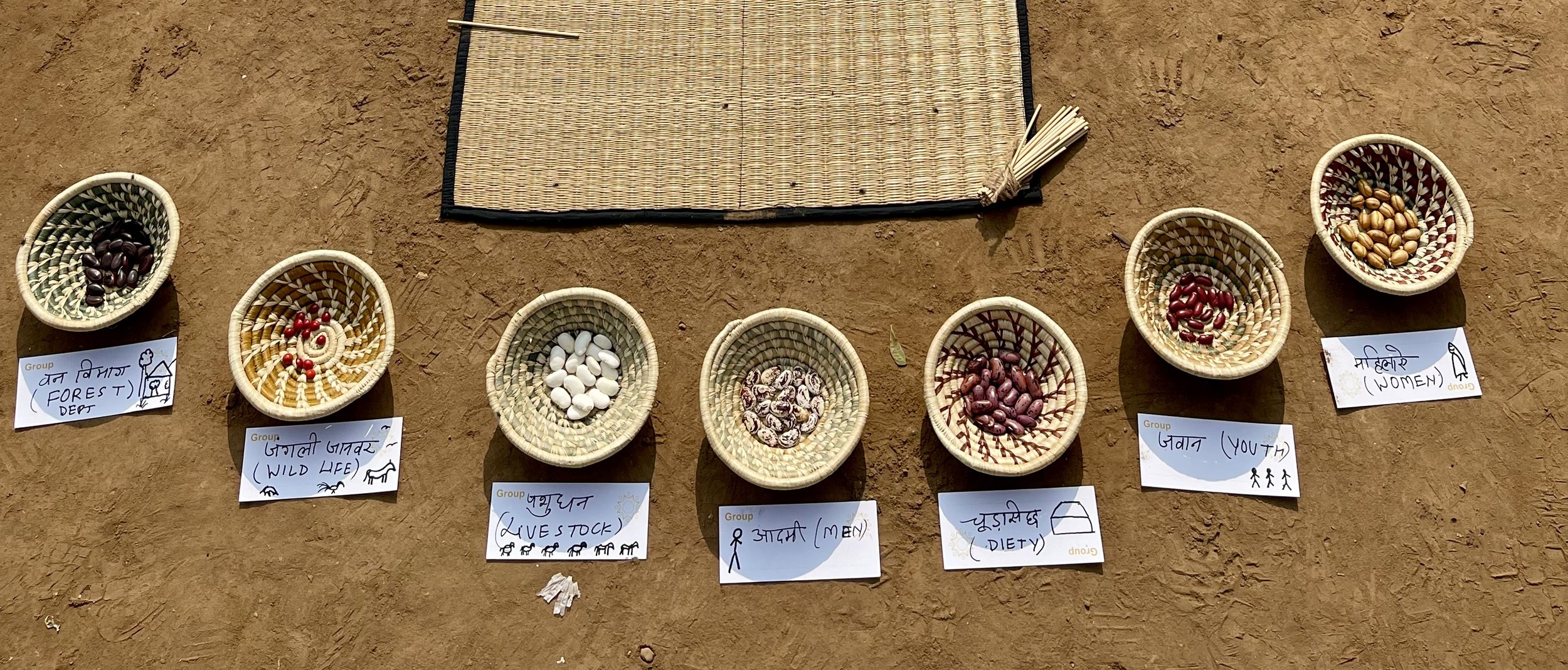
The Seed Game® combines:
More-than-human design
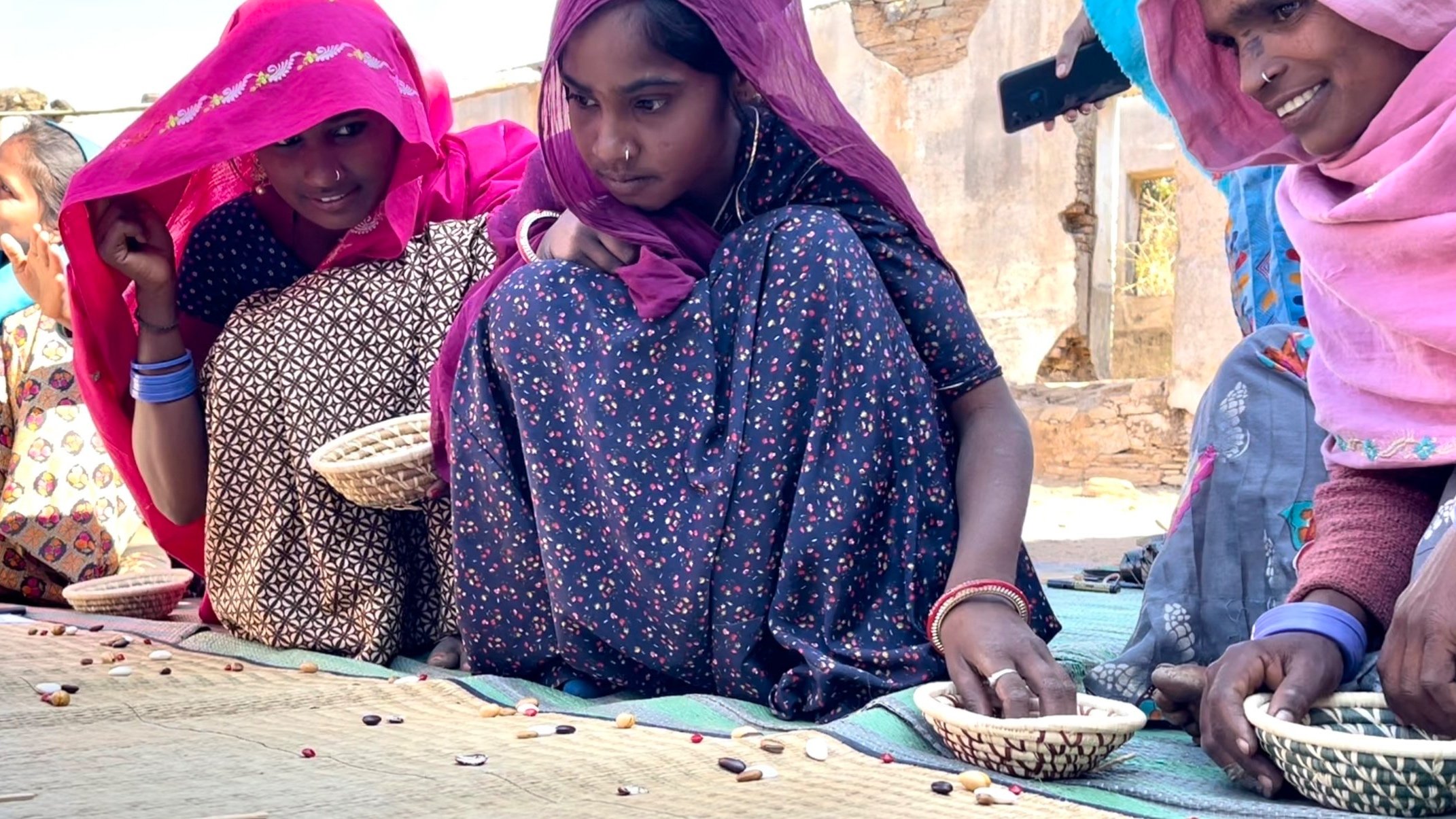
Tactile participation
Ecological mapping
Collaborative governance
Digital ecological intelligence
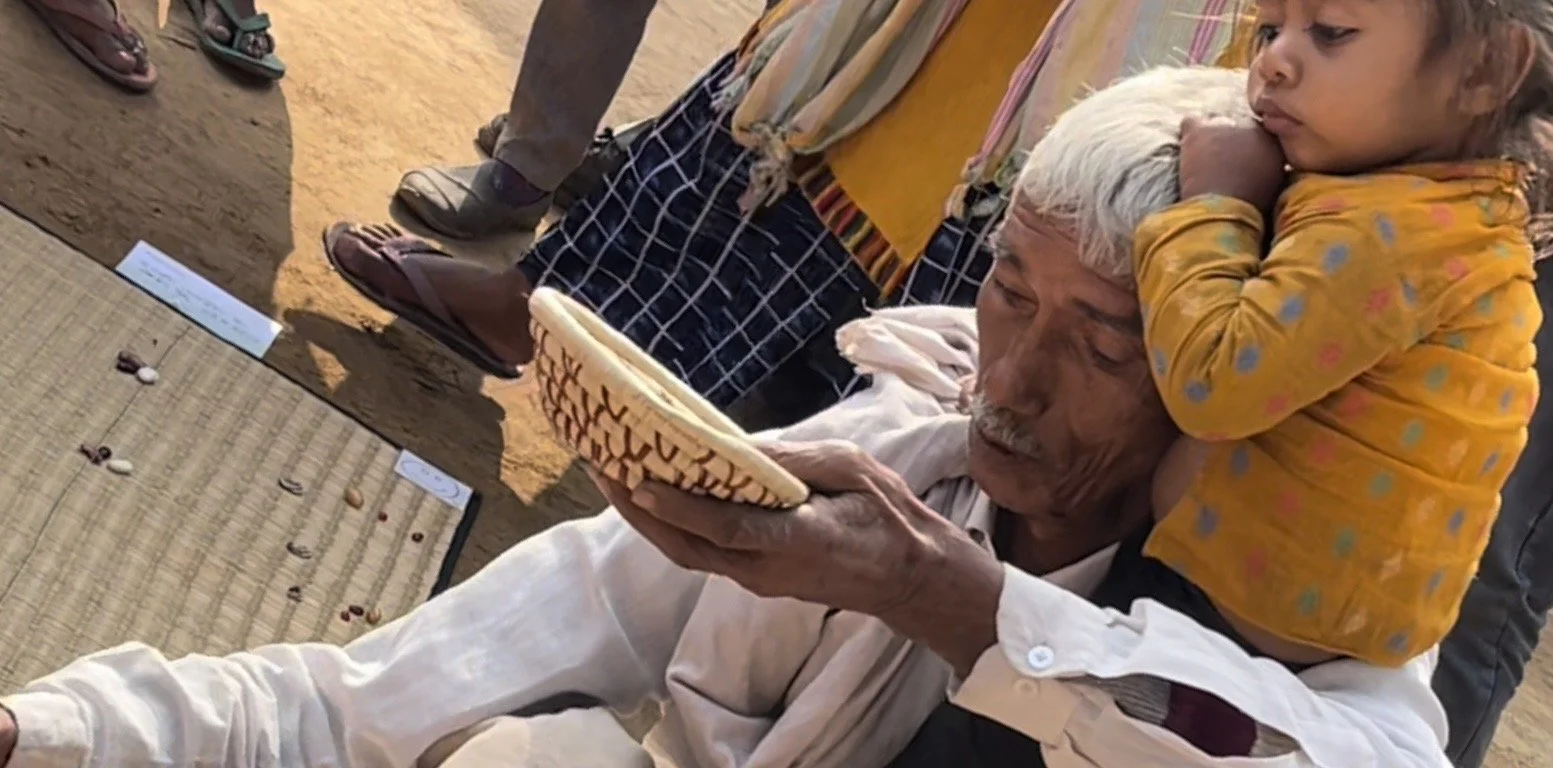
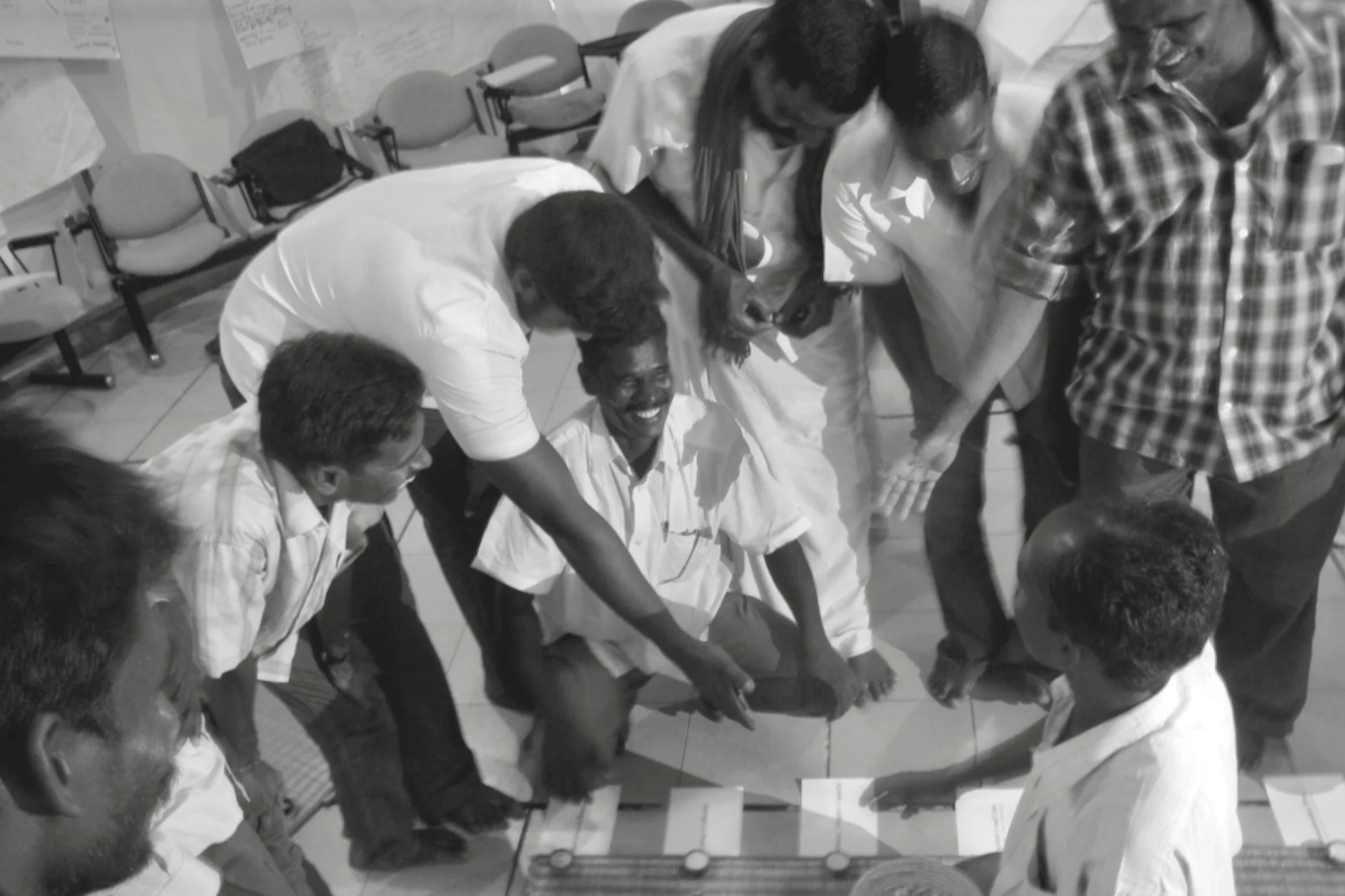
Through physical interaction, visual dialogue, and collaborative decision-making, participants explore shared values, ecological priorities, and future stewardship pathways across diverse cultural and environmental contexts.
Designed to work across literacy levels, and governance settings, the methodology supports inclusive participation while generating structured ecological insight over time.
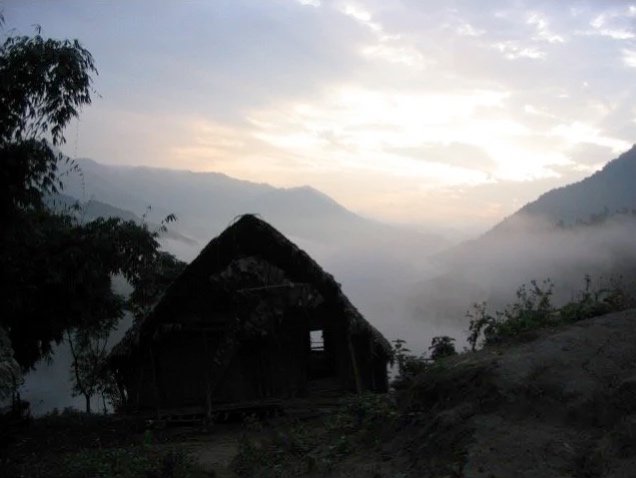
Developed through long-term collaboration.
The Seed Game® has evolved through more than sixteen years of interdisciplinary research and field practice across conservation, education, and community governance settings.
Developed through collaboration with communities, facilitators, and ecological practitioners across multiple cultural contexts, the project continues to grow as an evolving methodology for participatory ecological governance.
The toolkit is currently being further developed alongside Children’s Forest, exploring new forms of intergenerational ecological stewardship and community participation.
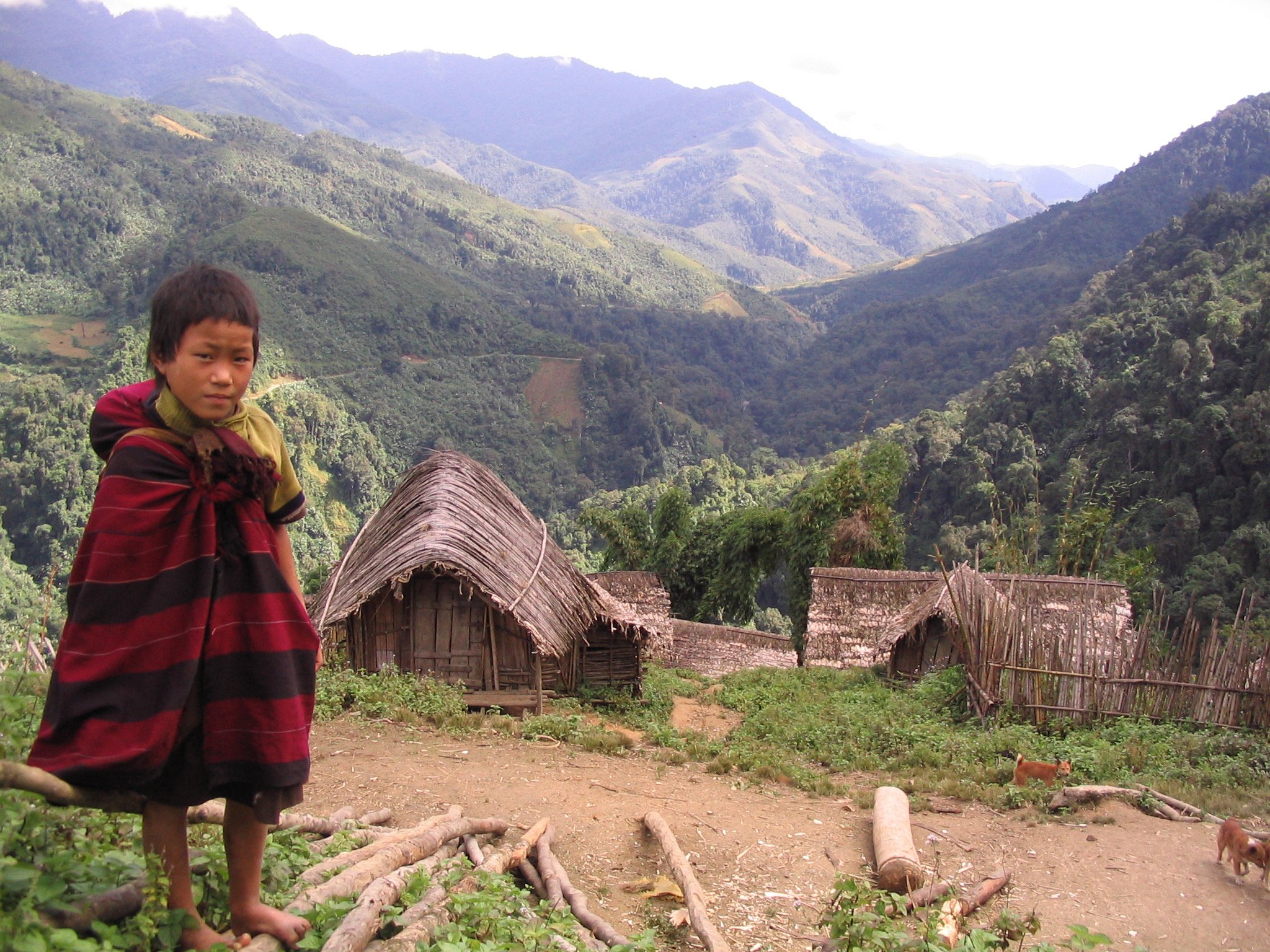
Towards ecological intelligence systems.
The Seed Game® is part of a wider exploration into how communities, institutions, and living ecosystems can participate together in environmental governance.
By combining participatory design, ecological storytelling, and digital systems, the project explores new forms of collective ecological intelligence for an era of planetary change.
Its aim is not simply better consultation, but the cultivation of new relationships between humans and the living world.
Organisations
Maximize community participation to create inclusive and impactful conservation strategies.
Integrate community values into conservation planning to ensure relevance and success.
Empower local communities to lead project monitoring and achieve long-term goals.
Weave Indigenous knowledge into conservation initiatives for culturally-rooted, sustainable solutions.
Strengthen stakeholder collaboration for cohesive and informed conservation efforts.
Mitigate risks with adaptive, community-driven strategies for long-term success.
Direct resources transparently to maximise environmental impact and accountability.
Shift toward shared governance by integrating Indigenous leadership and global sustainability goals.
Communities
Take the lead in monitoring and adapting projects with tools that ensure transparency and ownership.
Incorporate what matters most—wildlife, sacred sites, future generations, cultural values—into conservation strategies.
Ensure all voices are heard by integrating diverse perspectives and values.
Communicate without barriers with inclusive tools, even for non-literate stakeholders.
Work together to create collaborative, long-term solutions that reflect your priorities and vision for the future.
Protect sacred sites by embedding local knowledge into conservation plans.
Collaborate with others to build strong, community-led governance.
Share leadership with conservation organisations, combining traditional knowledge and global expertise.